

Injury Rehabilitation
Structured, progressive rehabilitation programmes designed to get you moving again and keep you moving — for good.

Rehabilitation That Actually Works
Rest alone is rarely the answer. True recovery requires structured, progressive rehabilitation that addresses not just the symptoms of your injury but the underlying cause. Our injury rehabilitation programmes are built around you — your injury, your lifestyle, your goals and your timeline. Whether you are managing chronic lower back pain that has disrupted your daily life, recovering from a neck injury, or rebuilding strength and function after a sports related setback, our expert team will guide you through every stage of your recovery with a programme that evolves as you do.

Conditions We Specialise In
Our rehabilitation programmes are designed to treat a wide range of musculoskeletal conditions including:
- Chronic lower back pain
- Neck pain and cervical dysfunction
- Shoulder injuries and rotator cuff problems
- Hip, knee and ankle injuries
- Post-operative rehabilitation
- Repetitive strain injuries
- Sports related muscle and ligament injuries
- Postural problems and associated pain
If your condition is not listed above please get in touch — we treat a broad range of musculoskeletal injuries and our team will be happy to advise whether our rehabilitation programme is right for you.

Work-Related & Occupational Injuries
Many of the injuries we treat have a workplace or occupational component — either caused by work activities or made worse by them. We have particular expertise in:
- Manual handling injuries and lumbar strain
- Upper limb disorders including carpal tunnel syndrome and tennis/golfer's elbow
- Occupational overuse and repetitive strain injuries
- Injuries sustained in road traffic accidents in a work context
- Neck and back injuries aggravated by prolonged desk work or driving
Where relevant, our clinicians can liaise directly with employers and occupational health teams to support a structured, phased return to work — including fit note guidance, workplace adjustments, and formal functional capacity assessments.
Your Rehabilitation Journey
Every rehabilitation programme begins with a thorough assessment to establish a baseline and set clear, measurable goals. From there your programme is built in phases:
- Phase 1 — Pain Management: Reducing inflammation, restoring basic movement and protecting the injured area
- Phase 2 — Restoration: Rebuilding range of motion, flexibility and early strength through targeted exercises
- Phase 3 — Strengthening: Progressive loading and strengthening of the affected area and surrounding structures
- Phase 4 — Return to Activity: Sport or activity specific training to ensure you return safely and confidently
Progress is monitored and the programme is adjusted at every stage to ensure you are always moving forward.
What Happens at Your Initial Assessment
Before Phase 1 begins, every patient undergoes a comprehensive baseline assessment covering:
- Full injury history and mechanism of injury
- Postural analysis and movement screening
- Strength, flexibility and range of motion testing
- Functional capacity evaluation where relevant
- Goal-setting discussion — personal, occupational, and sporting
This assessment forms the foundation of your personalised programme and gives your clinician a clear picture of where you are starting from and where you need to get to.
Diagnostic Support
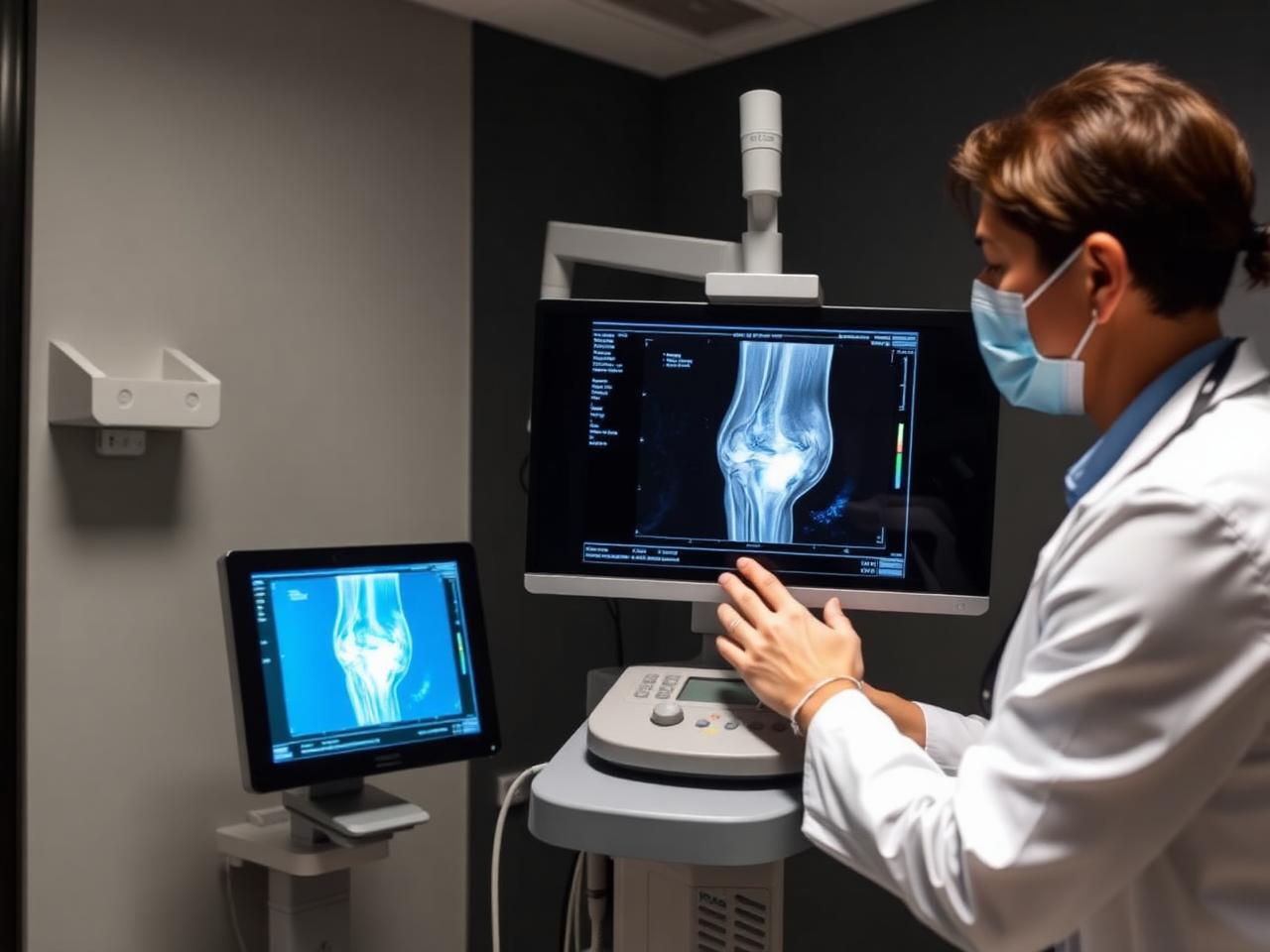
In some cases, a clear diagnosis is needed before rehabilitation can begin in earnest. Where imaging or further investigation is required, Mayfair Health Group can arrange:
- Musculoskeletal ultrasound
- MRI referrals
- X-ray referrals
- Specialist orthopaedic or sports medicine opinion
Having diagnostic capability within the same group means you spend less time waiting and more time recovering. Our clinicians can interpret your imaging results in the context of your rehabilitation and adjust your programme accordingly.
Rehabilitation for Employers
Workplace injury has a direct impact on productivity, absence rates, and workforce wellbeing. Mayfair Health Group works with employers to provide structured rehabilitation support that gets employees back to work safely and as quickly as clinically appropriate.
- Early intervention assessments to prevent short-term injuries becoming long-term absences
- Functional capacity evaluations to determine fitness for specific job roles
- Graduated return-to-work planning with written reports for line managers and HR
- Liaison with treating clinicians, insurers, and solicitors where required
- Group ergonomic assessments and musculoskeletal health screening
Early intervention is consistently shown to reduce the duration of absence and improve long-term outcomes. If you manage a workforce and need a reliable rehabilitation partner, contact our occupational health team.
Medicolegal & Insurance Rehabilitation
We accept patients referred through personal injury claims, insurance rehabilitation programmes, and medicolegal pathways. Our clinicians are experienced in preparing rehabilitation programmes alongside medicolegal reports, and understand the documentation standards required by solicitors, case managers and insurers.
All clinical notes, progress reports, and discharge summaries are available upon request and formatted to the required standard.
Frequently Asked Questions
Do I need a GP referral to start rehabilitation?
No. You can self-refer directly to Mayfair Health Group for a rehabilitation assessment. We also accept referrals from GPs, consultants, employers, insurers, and solicitors.
How long does a rehabilitation programme last?
Programme length varies depending on the nature and severity of your injury. A straightforward soft tissue injury may resolve within 6–8 weeks. More complex or chronic conditions may require a longer structured programme. Your clinician will provide a realistic timeline at your initial assessment.
Will I need to attend in person for every session?
The majority of rehabilitation involves exercise-based programmes that you carry out independently, supported by regular review appointments with your clinician. The frequency of in-person sessions will depend on your injury and the phase of your programme.
Can you provide reports for my employer, insurer, or solicitor?
Yes. We can produce formal progress reports, functional capacity assessments, and discharge summaries for employers, insurers, and legal teams. Please inform us at the time of booking if documentation will be required.
What is the difference between physiotherapy and a rehabilitation programme?
Physiotherapy typically involves hands-on treatment and exercise guidance, often for a defined number of sessions. A rehabilitation programme is broader and more structured — it follows a phased pathway from injury through to full return to activity, with ongoing monitoring, goal-setting, and programme adaptation throughout.
Why Patients & Partners Choose Us
- Self-referral and employer referrals accepted
- Medicolegal and insurance pathways available
- Diagnostic support within the same group
- Personalised programmes — no one-size-fits-all protocols
- Multidisciplinary clinical oversight throughout
Your Recovery Starts Today
Chronic pain and injury do not have to be permanent. Our rehabilitation team is ready to help you rebuild, recover and get back to full strength.