

Asbestos Medicals
Safeguarding workers exposed to asbestos — doctor-led surveillance, full regulatory compliance, and expert clinical reporting.
Doctor-Led Service
Founded by experienced clinicians
Compliance-Focused
GMC-registered clinicians
Fast Turnaround
Reports delivered promptly
UK-Wide Coverage
On-site, virtual, mobile units
What is an Asbestos Medical?
Safeguarding workers exposed to asbestos — doctor-led surveillance, full regulatory compliance, and expert clinical reporting.
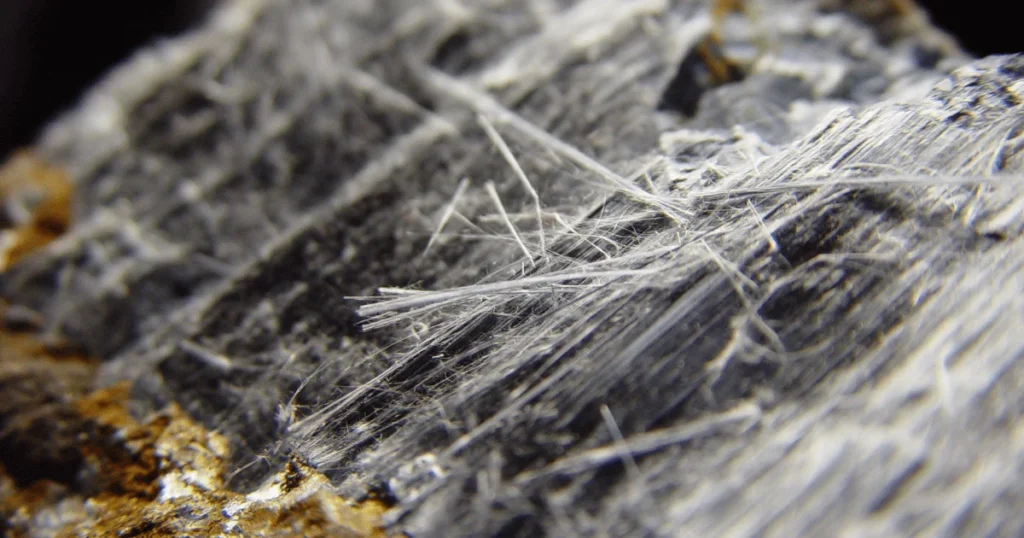
An Asbestos Medical is a statutory health surveillance assessment required for workers who are exposed to asbestos as part of their work. Asbestos is a naturally occurring fibrous mineral that was widely used in construction and insulation materials throughout the 20th century. Despite being banned in the UK in 1999, it remains present in a large number of older buildings and continues to pose a serious health risk when disturbed. Exposure to asbestos fibres can cause life-threatening conditions including mesothelioma, asbestosis, and lung cancer — many of which do not present symptoms until decades after exposure. At Mayfair Health Group, our doctor-led asbestos medicals are designed to detect early signs of asbestos-related disease and protect your workforce, and are delivered in accordance with applicable Control of Asbestos at Work requirements.
Who Requires an Asbestos Medical?
- Construction and demolition workers
- Maintenance and refurbishment contractors
- Plumbers, electricians, and engineers working in older buildings
- Roofing and insulation workers
- Waste management and recycling operatives
- Any worker at risk of disturbing asbestos-containing materials
Any role involving potential disturbance of older building materials may require statutory health surveillance.
Licensed vs Non-Licensed Asbestos Work
Not all asbestos work carries the same level of risk, and UK law distinguishes between different categories of work based on the type of asbestos material, the likely level of fibre release, and the duration of exposure. Understanding which category applies to your workforce is essential for determining the correct level of health surveillance, training, and controls required.
Licensed Work
HSE licence required
Licensed work involves asbestos insulation, asbestos insulation board (AIB), and other high-risk materials likely to release significant fibre concentrations.
Examples include:
- Removal or repair of lagging on pipework and boilers
- Working with sprayed asbestos coatings
- Removing or disturbing asbestos insulation board (AIB) above limited quantities
Regulatory requirements:
- HSE licence mandatory for the contractor
- Medical surveillance every 2 years (GP-issued Certificate of Medical Surveillance — HSE Med 5 form)
- Workers must hold a current medical certificate before commencing work
- Notification to HSE required before work starts
- Mandatory written plan of work
Non-Licensed (Notifiable) Work
Notification to HSE required
Some non-licensed work still carries a significant exposure risk and must be notified to the HSE in advance. This is referred to as Notifiable Non-Licensed Work (NNLW).
Examples include:
- Short-duration work on AIB (e.g., drilling or cutting in limited quantities)
- Removal of asbestos textured coatings (e.g., Artex)
- Work on asbestos cement in deteriorated condition
Regulatory requirements:
- No HSE licence required, but prior notification is mandatory
- Health surveillance is required — workers must be under medical surveillance
- Records of health surveillance must be maintained
- Risk assessment and method statement required
Non-Licensed Work
No notification required
Non-licensed, non-notifiable work involves incidental contact with asbestos materials that are in good condition and unlikely to release significant fibres.
Examples include:
- Encapsulation of intact asbestos materials
- Passing through areas where asbestos is present but undisturbed
- Superficial work on asbestos cement in good condition
Regulatory requirements:
- No HSE licence or notification required
- Health surveillance is still recommended as best practice, particularly where exposures are repeated
- Employers should maintain exposure records and carry out risk assessments
What to Expect During Your Asbestos Medical
Medical Questionnaire
Review of occupational exposure and medical history
Respiratory Assessment
Clinical evaluation focusing on lung health and symptoms
Doctor Consultation
Face-to-face review with an occupational health clinician
Fitness & Compliance Report
Formal documentation confirming fitness for work and compliance status
HSE Medical Certificate (Med 5)
For licensed asbestos work, our clinicians issue the statutory HSE Med 5 Certificate of Medical Surveillance — legally required before licensed work can commence.
All assessments are conducted in line with HSE guidance and statutory requirements.

Why Asbestos Medicals Are Essential
- Early detection of asbestos-related disease
- Legal compliance with UK regulations
- Protection of workforce health and safety
- Reduced long-term liability for employers
- Mandatory surveillance for exposed workers
Understanding Your Obligations
Asbestos health surveillance in the UK is governed by a clear legislative framework. Employers must understand their obligations under the following regulations:
Control of Asbestos Regulations 2012 (CAR 2012)
The primary legislation governing all work with asbestos in Great Britain. Requires health surveillance for workers exposed above the Control Limit, risk assessments, written plans of work, and use of licensed contractors for high-risk activities.
The Health and Safety at Work etc. Act 1974
Places a general duty on employers to ensure the health, safety, and welfare of their employees, including those exposed to hazardous substances.
Management of Health and Safety at Work Regulations 1999
Requires suitable and sufficient risk assessments for all work activities, including those involving potential asbestos exposure.
HSE Guidance Document EH40
Sets the Workplace Exposure Limit (WEL) for asbestos at 0.1 fibres per cm³ averaged over 4 hours. Health surveillance is mandatory where workers may be exposed at or above this level.
Mayfair Health Group's assessments are conducted in full compliance with CAR 2012 and relevant HSE guidance. Our clinicians are experienced in issuing HSE Med 5 certificates and providing the clinical documentation required for both licensed and notifiable non-licensed work.
Frequently Asked Questions
Why are asbestos medicals required?
They are legally required for workers exposed to asbestos to ensure early detection of potential health issues and compliance with UK health and safety law.
How often do I need an asbestos medical?
Typically every 2 years, though frequency may vary depending on risk level and employer requirements.
What conditions are you screening for?
Primarily asbestos-related diseases such as mesothelioma, asbestosis, and lung cancer.
Is the assessment painful or invasive?
No. It is a non-invasive medical assessment involving questionnaires, consultation, and basic clinical examination.
What is the difference between licensed and non-licensed asbestos work?
Licensed work involves higher-risk materials such as asbestos insulation and insulation board (AIB), and requires contractors to hold an HSE licence as well as mandatory health surveillance. Non-licensed work involves lower-risk materials or activities, but notifiable non-licensed work (NNLW) still requires health surveillance and notification to the HSE before work begins.
What is an HSE Med 5 certificate?
The Med 5 is the statutory Certificate of Medical Surveillance issued by a doctor following an asbestos medical. It is a legal requirement for workers undertaking licensed asbestos work and must be in place before work commences. Mayfair Health Group clinicians are authorised to issue this certificate.
Do non-licensed workers need health surveillance?
Workers undertaking notifiable non-licensed work (NNLW) are legally required to undergo health surveillance. For other non-licensed work, surveillance is strongly recommended as best practice, particularly where exposures occur repeatedly over time.
How long does the assessment take?
A typical asbestos medical assessment takes approximately 30–45 minutes, including the medical questionnaire, respiratory assessment, and doctor consultation.
Can you come to our site to conduct asbestos medicals?
Yes. Mayfair Health Group offers both clinic-based and on-site occupational health assessments to suit your workforce's needs. Contact our team to discuss scheduling options.
Let's Get Started
- Doctor-Led Service
- Compliance-Focused
- Fast Turnaround
- UK-Wide Coverage
Accredited & Approved

;%20stroke-width:%200px;%20}%20%3c/style%3e%3clinearGradient%20id='New_Gradient_Swatch_5'%20data-name='New%20Gradient%20Swatch%205'%20x1='76.14'%20y1='140.5'%20x2='266.29'%20y2='-49.64'%20gradientUnits='userSpaceOnUse'%3e%3cstop%20offset='0'%20stop-color='%23814997'/%3e%3cstop%20offset='.09'%20stop-color='%2345267d'/%3e%3cstop%20offset='.31'%20stop-color='%23285989'/%3e%3cstop%20offset='.5'%20stop-color='%23128092'/%3e%3cstop%20offset='.65'%20stop-color='%23049897'/%3e%3cstop%20offset='.74'%20stop-color='%2300a19a'/%3e%3cstop%20offset='1'%20stop-color='%2300a19a'/%3e%3c/linearGradient%3e%3c/defs%3e%3cpath%20class='cls-1'%20d='m161.57,67.94c-1.54-4.28-2.3-8.97-2.3-14.06V1.16h18.91v52c0,2.67.42,5.13,1.27,7.39.85,2.26,2.04,4.22,3.58,5.88,1.53,1.66,3.37,2.95,5.52,3.88,2.14.93,4.46,1.39,6.97,1.39s4.81-.46,6.91-1.39c2.1-.93,3.92-2.22,5.46-3.88,1.53-1.65,2.73-3.62,3.58-5.88.85-2.26,1.27-4.73,1.27-7.39V1.16h18.91v52.73c0,5.09-.77,9.78-2.3,14.06-1.54,4.28-3.82,8-6.85,11.15s-6.81,5.62-11.33,7.4c-4.53,1.78-9.74,2.67-15.64,2.67s-11.23-.89-15.76-2.67c-4.53-1.78-8.3-4.24-11.33-7.4-3.03-3.15-5.31-6.87-6.85-11.15ZM3.67,63.7c-2.45-5.55-3.67-11.74-3.67-18.55s1.22-12.99,3.67-18.55c2.45-5.55,5.76-10.3,9.94-14.25,4.18-3.94,9.14-6.99,14.87-9.14,5.73-2.15,11.83-3.23,18.28-3.23s12.48,1.14,18.1,3.4c5.61,2.27,10.57,5.8,14.87,10.57,3.82-4.78,8.48-8.3,13.98-10.57,5.49-2.27,11.47-3.4,17.92-3.4,6.93,0,12.99,1.2,18.19,3.58,5.2,2.39,9.52,5.64,12.99,9.77,3.46,4.12,6.03,8.96,7.7,14.51,1.67,5.56,2.51,11.5,2.51,17.83v5.91h-62.72c-.12,3.23.48,6.15,1.79,8.78,1.31,2.63,3.02,4.9,5.11,6.81,2.09,1.91,4.39,3.38,6.9,4.39,2.51,1.02,4.9,1.52,7.17,1.52,5.38,0,9.86-1.1,13.44-3.32,3.58-2.21,6.75-4.99,9.5-8.33l14.87,10.57c-4.78,6.69-10.3,11.41-16.58,14.16-6.27,2.75-13.35,4.12-21.23,4.12-7.17,0-13.44-1.2-18.81-3.58-5.38-2.39-9.74-5.79-13.08-10.21-4.3,4.78-9.23,8.27-14.78,10.48-5.56,2.21-11.5,3.32-17.83,3.32s-12.54-1.08-18.28-3.23c-5.73-2.15-10.69-5.2-14.87-9.14-4.18-3.94-7.5-8.69-9.94-14.25Zm85.92-27.15h41.93c-.12-6.33-2.03-11.32-5.73-14.96-3.7-3.64-8.42-5.46-14.16-5.46-2.51,0-5.08.45-7.71,1.34-2.63.9-4.99,2.18-7.08,3.85-2.09,1.67-3.79,3.79-5.11,6.36-1.32,2.57-2.03,5.53-2.15,8.87Zm-68.09,8.6c0,3.58.56,7.02,1.7,10.3,1.13,3.29,2.8,6.15,5.02,8.6,2.21,2.45,4.87,4.39,7.97,5.82,3.11,1.43,6.63,2.15,10.57,2.15s7.67-.72,10.84-2.15c3.16-1.43,5.85-3.37,8.06-5.82,2.21-2.45,3.88-5.31,5.02-8.6,1.13-3.28,1.7-6.72,1.7-10.3s-.57-7.02-1.7-10.3c-1.14-3.28-2.81-6.15-5.02-8.6-2.21-2.45-4.9-4.39-8.06-5.82-3.17-1.43-6.78-2.15-10.84-2.15s-7.47.72-10.57,2.15c-3.11,1.43-5.76,3.38-7.97,5.82-2.21,2.45-3.88,5.32-5.02,8.6-1.14,3.29-1.7,6.72-1.7,10.3Zm237.52,1.09l34.91,40.73h26.42l-41.46-45.94L317.08,1.16h-24.73l-33.33,35.64V1.16h-18.91v85.82h18.91v-40.73Z'/%3e%3c/svg%3e)
Don't Delay Statutory Health Surveillance.
Asbestos-related conditions can take decades to develop — early monitoring is critical for protecting lives and meeting legal obligations.
- Doctor-led surveillance
- Full regulatory compliance
- Early disease detection